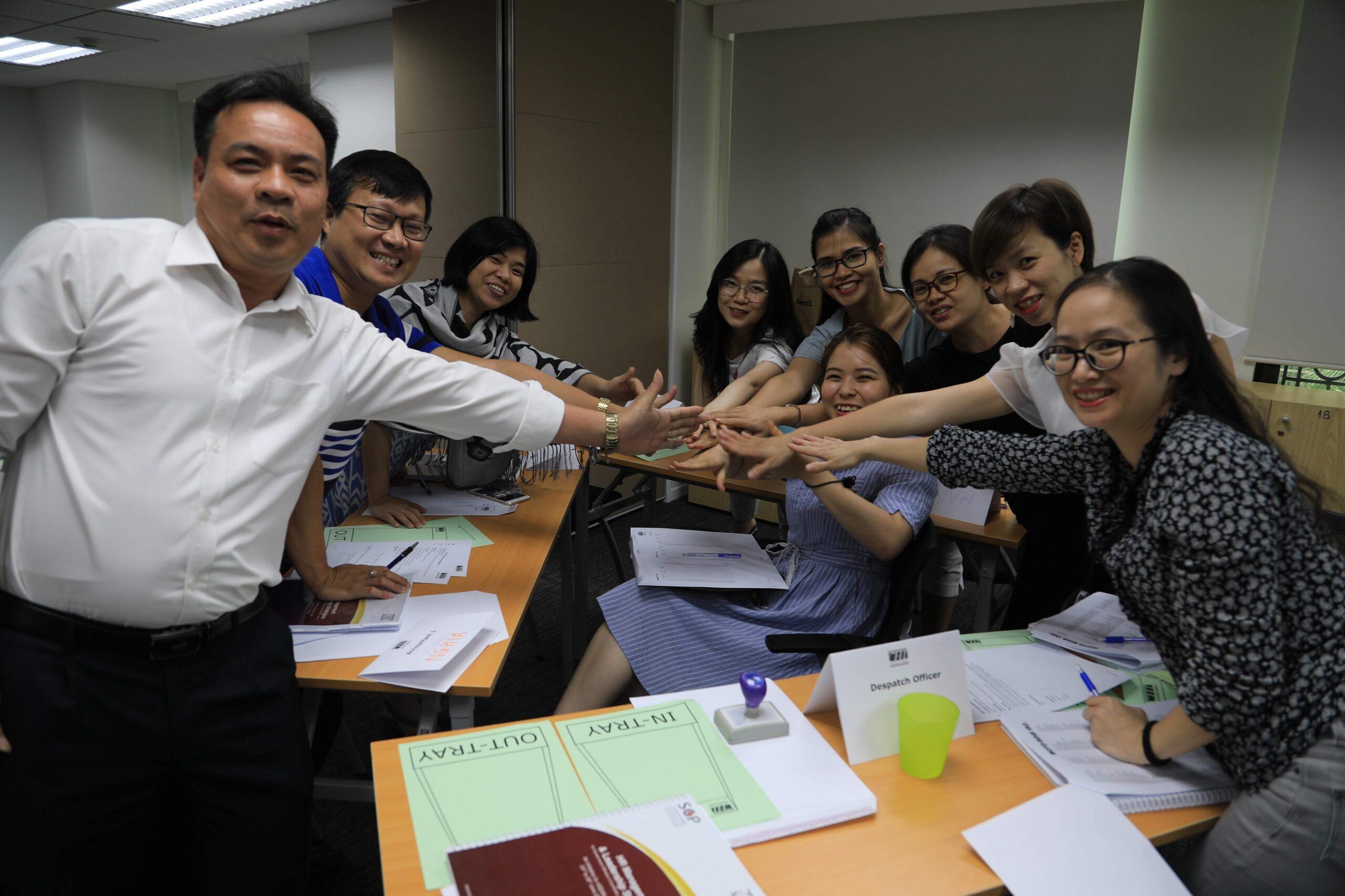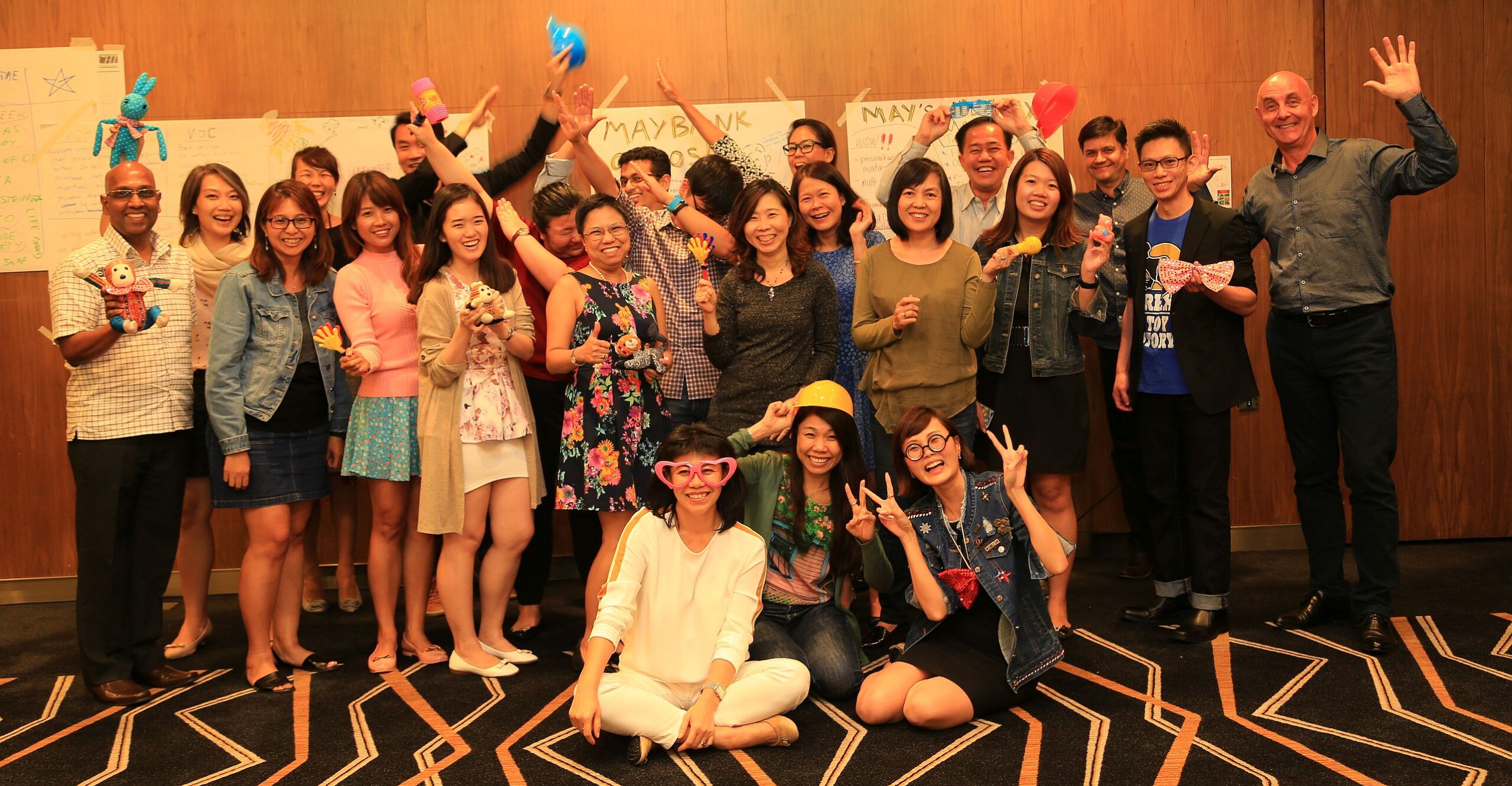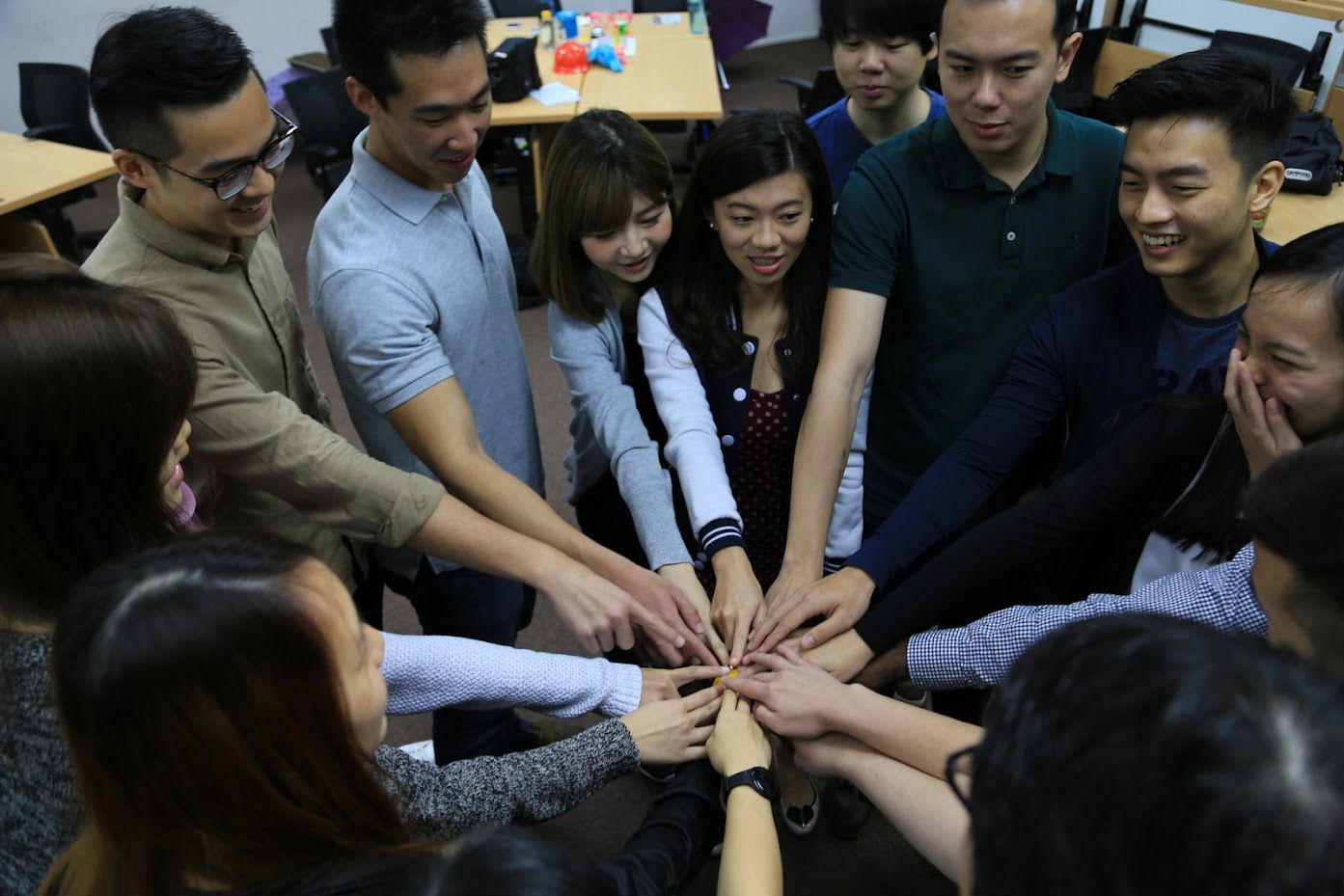
Recently, during a leadership development workshop for senior officers, a CEO shared that he had initiated a feedback dialogue with his staff by applying the technique taught the day before. He told us that he had postponed and avoided giving feedback for this staff for many weeks, even though he sensed that his colleague was expecting to hear from him. The staff cried during the feedback session – not because he got scolded by his boss – because he was moved by his boss’ initiative and words. Continue reading →
Posts under ‘Staff Development’
Job Redesign
Job redesign is about redesigning the tasks in a job so that it fits staff and business needs. For instance, tasks that can be done in isolation can be assigned to a telecommuter, duplicative tasks may be eliminated. One full-time job may become appropriate for two part-timers. Two employees may split a job, but work independently of each other. Looking at the tasks of a job in a new way helps employees to better fit their skills to the tasks to be performed. It may eliminate unnecessary work, permit better use of employees’ skills, enable higher flexibility and more effective work distribution. It attracts and retains quality employees. And it promotes a dual agenda – making work more inspiring and motivating to employees while achieving business goals. Continue reading →
Seven Habits … – Habit 4: Focus on the Process
Habit 4: Focus on Processes – Rather Than People
When was the last time you reprimanded someone for a job not done perfectly. I guess you can remember easily. And, when did you tell someone that she did an excellent job? If you have issues answering the second question whereas the first one comes to you easily, I suggest you go on reading. Continue reading →
What Makes A Good Leader for Change
In response to evolving conditions, you came to realise that your organisation must change. You are now ready to move into action. As the leader of the organisation, one of your first and critical decisions is to appoint the team that will lead the project. Typically, the leadership consists of project sponsor, with overall responsibility, seconded by project managers focusing on specific aspects. These people will be your change agents – the ones upon which success of your initiative will rely. What makes a good change leader then? Continue reading →
The Best Coach I Ever Had
At some point in our life, some of us may have experienced a person who helped us to see our own strengths, who shaped our thinking and spurred us to move on. Often, this person does not even know how much impact he had on us. We probably never told him. Continue reading →
Management by Walking About
“People leave bad managers, not companies …,” is one of the results of a famous Gallup survey conducted at corporations in the US. This does not mean we have “bad” people as managers. It rather means that not every high-performing employee is really suitable for a managerial position. Other surveys have shown that less than 30% of high performers have the ability to do well as supervisor. Continue reading →
Succession Planning: Is Your Organisation Ready For The Future?
Thinking ahead is a cardinal rule of business. In addition to monitoring the daily operations of your business, you need to think about the future. And, as difficult as it may be, it’s important to envision the day when you no longer will be in charge. For successful organisations faced with demanding leadership requirements in a changing and competitive business environment, a succession planning process may be the most important human resource management investment the company can make.
Continue reading →
Why Should I Become a Black Belt?
Becoming a Lean Six Sigma Black Belt – and to a certain degree a Green Belt – is a major career move and should be considered carefully. There are not only the Pros; there are plenty of Cons. Continue reading →
Recruiting the Right Mindset
There are several invaluable lessons learnt during the different phases of YOG. A significant task has been the recruitment, preparation and motivation of more than five hundred staff and of more than twenty thousand volunteers within a timeframe of less than two years.
It is not new that recruiting people means evaluating, finding skills and experience that make up the eligibility – the aptitude – on the one hand and the suitability – the attitude – on the other hand. However, it is commonly much easier to evaluate the former in detail whilst neglecting the latter. Continue reading →
Job Redesign
Job redesign is about redesigning the tasks in a job so that it fits staff and business needs. For instance, tasks that can be done in isolation can be assigned to a telecommuter, duplicative tasks may be eliminated. One full-time job may become appropriate for two part-timers. Two employees may split a job, but work independently of each other. Looking at the tasks of a job in a new way helps employees to better fit their skills to the tasks to be performed. It may eliminate unnecessary work, permit better use of employees’ skills, enable higher flexibility and more effective work distribution. It attracts and retains quality employees. And it promotes a dual agenda – making work more inspiring and motivating to employees while achieving business goals. Continue reading →
Seven Habits … – Habit 4: Focus on the Process
Habit 4: Focus on Processes – Rather Than People
When was the last time you reprimanded someone for a job not done perfectly. I guess you can remember easily. And, when did you tell someone that she did an excellent job? If you have issues answering the second question whereas the first one comes to you easily, I suggest you go on reading. Continue reading →
What Makes A Good Leader for Change
In response to evolving conditions, you came to realise that your organisation must change. You are now ready to move into action. As the leader of the organisation, one of your first and critical decisions is to appoint the team that will lead the project. Typically, the leadership consists of project sponsor, with overall responsibility, seconded by project managers focusing on specific aspects. These people will be your change agents – the ones upon which success of your initiative will rely. What makes a good change leader then? Continue reading →
The Best Coach I Ever Had
At some point in our life, some of us may have experienced a person who helped us to see our own strengths, who shaped our thinking and spurred us to move on. Often, this person does not even know how much impact he had on us. We probably never told him. Continue reading →
Management by Walking About
“People leave bad managers, not companies …,” is one of the results of a famous Gallup survey conducted at corporations in the US. This does not mean we have “bad” people as managers. It rather means that not every high-performing employee is really suitable for a managerial position. Other surveys have shown that less than 30% of high performers have the ability to do well as supervisor. Continue reading →
Succession Planning: Is Your Organisation Ready For The Future?
Thinking ahead is a cardinal rule of business. In addition to monitoring the daily operations of your business, you need to think about the future. And, as difficult as it may be, it’s important to envision the day when you no longer will be in charge. For successful organisations faced with demanding leadership requirements in a changing and competitive business environment, a succession planning process may be the most important human resource management investment the company can make.
Continue reading →
Why Should I Become a Black Belt?
Becoming a Lean Six Sigma Black Belt – and to a certain degree a Green Belt – is a major career move and should be considered carefully. There are not only the Pros; there are plenty of Cons. Continue reading →
Recruiting the Right Mindset
There are several invaluable lessons learnt during the different phases of YOG. A significant task has been the recruitment, preparation and motivation of more than five hundred staff and of more than twenty thousand volunteers within a timeframe of less than two years.
It is not new that recruiting people means evaluating, finding skills and experience that make up the eligibility – the aptitude – on the one hand and the suitability – the attitude – on the other hand. However, it is commonly much easier to evaluate the former in detail whilst neglecting the latter. Continue reading →